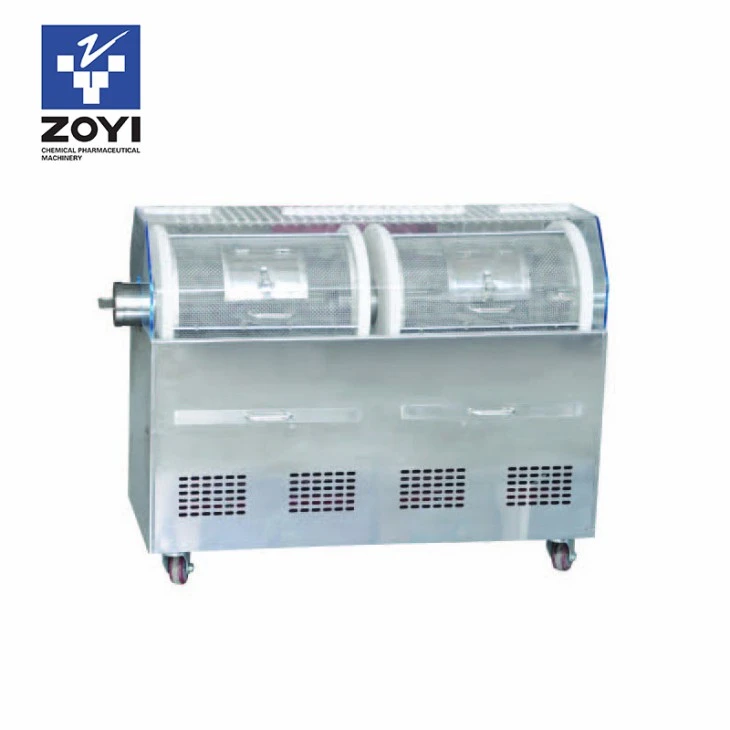
Hey there! As a supplier of soft capsule production lines, I've seen my fair share of issues on the production floor. In this blog, I'll talk about some common faults in a soft capsule production line and how to solve them.
1. Uneven Capsule Thickness
One of the most common problems we encounter is uneven capsule thickness. This can happen for a few reasons. First, the gelatin ribbon might not be uniform. If the gelatin solution has inconsistent viscosity or the temperature during ribbon formation is off, it can lead to thickness variations.
Solution:
- Check the gelatin preparation process. Make sure the ingredients are mixed thoroughly and the temperature is maintained within the recommended range. We usually suggest using a high - quality gelatin mixer to ensure a homogeneous solution.
- Monitor the ribbon forming equipment. Regularly clean and calibrate the dies and rollers that form the gelatin ribbon. If you're using an Automatic Soft Gelatin Encapsulation Machine, it often has built - in sensors to detect and adjust the ribbon thickness, but still, manual checks are important.
2. Leaking Capsules
Leaking capsules are a nightmare for any production line. It not only leads to product loss but can also contaminate the production environment. Leaks can occur due to improper sealing. If the heat or pressure applied during the sealing process is not right, the capsule seams won't hold.
Solution:
- Adjust the sealing parameters. You need to find the sweet spot for heat and pressure. This might require some trial and error. Start with the manufacturer's recommended settings and then make small adjustments based on the results.
- Inspect the sealing equipment. Look for any signs of wear and tear on the sealing jaws or rollers. Replace any damaged parts immediately. Our Softgel Machine is designed with high - precision sealing components, but regular maintenance is still key.
3. Air Bubbles in Capsules
Air bubbles in capsules can affect the appearance and quality of the product. They can form during the filling process if the filling pump is not working properly or if there is too much agitation in the filling material.
Solution:
- Check the filling pump. Make sure it's functioning smoothly and delivering the correct amount of filling material. You might need to clean or replace the pump if it's clogged or damaged.
- Minimize agitation in the filling material. Use a gentle mixing method to avoid introducing air bubbles. Some of our Softgel Production Line models come with advanced filling systems that are designed to reduce air bubble formation.
4. Capsule Sticking
Capsules sticking together can cause problems during the drying and packaging stages. This can be due to high humidity in the production environment or an improper release agent on the gelatin ribbon.
Solution:
- Control the humidity. Use a dehumidifier to keep the humidity levels in the production area within the recommended range. A humidity level of around 30 - 40% is usually ideal for soft capsule production.
- Apply the right release agent. Make sure the release agent is evenly distributed on the gelatin ribbon. You can adjust the amount and application method based on the type of capsules you're producing.
5. Inconsistent Filling Volume
Inconsistent filling volume can lead to product quality issues. It can be caused by problems with the filling pump, blockages in the filling nozzles, or variations in the viscosity of the filling material.
Solution:
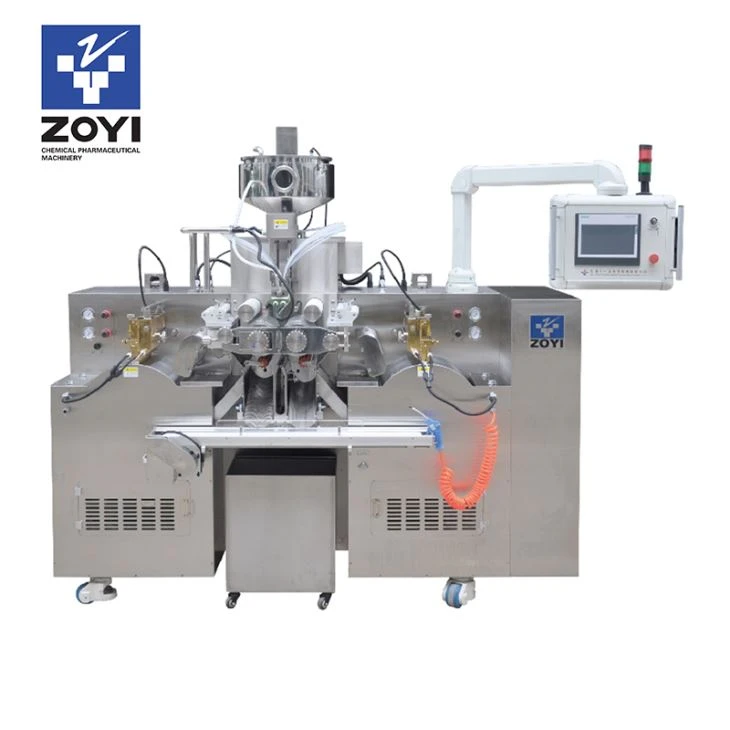

- Calibrate the filling pump regularly. This ensures that it's delivering the correct amount of filling material. You can use a volumetric measuring device to check the filling volume and make adjustments as needed.
- Clean the filling nozzles. Blockages can cause uneven filling. Use a suitable cleaning solution to remove any debris or buildup in the nozzles.
- Monitor the viscosity of the filling material. If the viscosity changes, it can affect the filling volume. You might need to adjust the temperature or composition of the filling material to maintain a consistent viscosity.
6. Poor Capsule Appearance
Poor capsule appearance can include things like surface defects, discoloration, or uneven shapes. Surface defects can be caused by contaminants in the gelatin or filling material, while discoloration can be due to oxidation or exposure to light.
Solution:
- Ensure the cleanliness of the production environment. Regularly clean the equipment and the production area to prevent contaminants from getting into the capsules.
- Protect the capsules from light and oxygen. Use opaque packaging materials and store the capsules in a cool, dark place. You can also add antioxidants to the filling material to prevent oxidation.
7. Low Production Efficiency
Low production efficiency can be a major headache. It can be caused by equipment breakdowns, improper maintenance, or inefficient production processes.
Solution:
- Implement a regular maintenance schedule. This includes cleaning, lubricating, and inspecting the equipment on a regular basis. Our soft capsule production lines are designed for easy maintenance, but it's still important to follow the recommended maintenance procedures.
- Optimize the production process. Look for ways to streamline the workflow, reduce downtime between batches, and improve the overall efficiency of the production line. You can consult with our technical support team to get some tips on process optimization.
Conclusion
Well, there you have it - some of the most common faults in a soft capsule production line and their solutions. As a supplier, we're always here to help you troubleshoot any issues you might encounter. If you're in the market for a new soft capsule production line or need to upgrade your existing one, feel free to reach out to us. We can provide you with detailed information about our Softgel Production Line, Automatic Soft Gelatin Encapsulation Machine, and Softgel Machine. Let's work together to make your production process as smooth and efficient as possible!