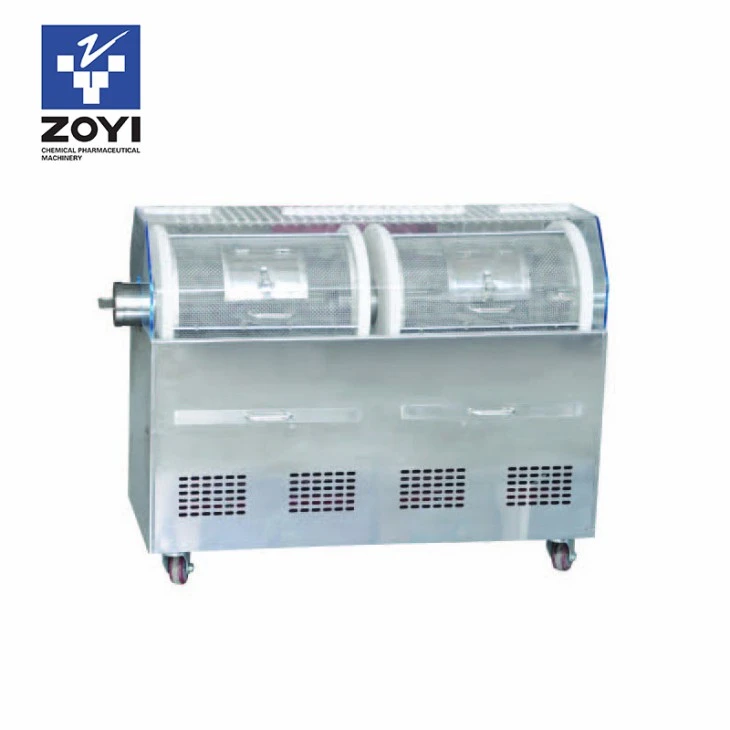
Maintaining a soft gelatin encapsulation line properly is crucial for ensuring the quality, efficiency, and longevity of the equipment. As a supplier of soft gelatin encapsulation lines, I have witnessed firsthand the impact that proper maintenance can have on the overall performance of these systems. In this blog post, I will share some key tips and best practices for maintaining a soft gelatin encapsulation line to help you optimize its operation and minimize downtime.
Regular Cleaning and Sanitization
One of the most important aspects of maintaining a soft gelatin encapsulation line is regular cleaning and sanitization. The equipment used in soft gelatin encapsulation comes into contact with various substances, including gelatin, fill materials, and lubricants, which can accumulate over time and lead to contamination and equipment malfunction. To prevent this, it is essential to establish a comprehensive cleaning and sanitization schedule.


- Daily Cleaning: At the end of each production day, the encapsulation line should be thoroughly cleaned to remove any residual gelatin, fill material, or debris. This includes wiping down the surfaces of the machine, cleaning the hoppers and feeders, and flushing the tubing and nozzles with a suitable cleaning solution.
- Weekly Deep Cleaning: In addition to daily cleaning, a more in - depth cleaning should be performed on a weekly basis. This involves disassembling certain parts of the machine, such as the capsule forming dies and filling pumps, and cleaning them using specialized cleaning agents. All components should be inspected for signs of wear or damage during this process.
- Sanitization: After cleaning, the equipment should be sanitized to eliminate any potential pathogens. Use a sanitizer that is approved for use in food and pharmaceutical applications, and follow the manufacturer's instructions for proper dilution and application.
Lubrication and Component Inspection
Proper lubrication is essential for the smooth operation of a soft gelatin encapsulation line. Moving parts, such as motors, gears, and bearings, require regular lubrication to reduce friction and prevent wear.
- Lubrication Schedule: Refer to the equipment manufacturer's guidelines for the recommended lubrication schedule and type of lubricant to use. Some components may need lubrication daily, while others may require less frequent servicing.
- Component Inspection: Along with lubrication, regular inspection of components is crucial. Check for signs of wear, such as uneven wear on gears or loose belts. Replace any worn - out parts immediately to prevent further damage to the equipment. For example, worn capsule forming dies can result in inconsistent capsule sizes and shapes, which can affect the quality of the final product.
Temperature and Humidity Control
Soft gelatin encapsulation is highly sensitive to temperature and humidity. Incorrect environmental conditions can cause the gelatin to dry out, become too sticky, or form defects in the capsules.
- Temperature Regulation: The encapsulation area should be maintained at a constant temperature. Most soft gelatin encapsulation processes work best within a specific temperature range, typically between 20 - 25 degrees Celsius. Install a reliable temperature control system, such as an air conditioning unit, to ensure that the temperature remains stable.
- Humidity Management: Humidity levels also play a vital role. High humidity can cause the gelatin to absorb moisture, leading to soft and deformed capsules, while low humidity can make the gelatin brittle. Aim to maintain a relative humidity of around 40 - 50%. Use a dehumidifier or humidifier as needed to control the humidity in the production area.
Calibration and Alignment
Regular calibration and alignment of the soft gelatin encapsulation line are necessary to ensure accurate dosing and consistent capsule production.
- Dosing System Calibration: The dosing system is responsible for filling the capsules with the correct amount of fill material. It is essential to calibrate the dosing pumps regularly to ensure accurate dosing. This can be done by using volumetric or gravimetric methods, depending on the type of dosing system.
- Machine Alignment: Proper alignment of the various components of the encapsulation line, such as the capsule forming dies, filling nozzles, and conveyor belts, is crucial. Misaligned components can result in capsule defects, such as leakage or improper sealing. Regularly check and adjust the alignment of these components according to the manufacturer's specifications.
Operator Training and Documentation
Well - trained operators are a key factor in the proper maintenance of a soft gelatin encapsulation line.
- Operator Training: Provide comprehensive training to all operators on the correct operation, maintenance, and troubleshooting of the encapsulation line. Training should cover topics such as equipment setup, cleaning procedures, lubrication, and basic troubleshooting techniques. Regular refresher courses can also help keep operators up - to - date with the latest best practices.
- Documentation: Maintain detailed documentation of all maintenance activities, including cleaning schedules, lubrication records, calibration results, and component replacement history. This documentation can help track the performance of the equipment over time, identify potential issues, and ensure compliance with regulatory requirements.
Using High - Quality Spare Parts
When it comes to replacing parts on the soft gelatin encapsulation line, it is essential to use high - quality spare parts. Inferior quality parts can lead to premature equipment failure, reduced efficiency, and lower product quality.
- Source from Reputable Suppliers: Work with reputable suppliers who offer genuine parts that are specifically designed for your soft gelatin encapsulation line. These parts are more likely to fit correctly and perform as expected.
- Stock Essential Spare Parts: Keep a stock of essential spare parts, such as seals, gaskets, and filters, to minimize downtime in case of a component failure.
Monitoring and Preventive Maintenance
Implement a monitoring system to track the performance of the soft gelatin encapsulation line. This can include sensors to measure parameters such as temperature, pressure, and production speed.
- Data Analysis: Analyze the data collected from the monitoring system regularly to identify trends and potential issues. For example, a sudden increase in temperature or a decrease in production speed could indicate a problem with the equipment.
- Preventive Maintenance: Based on the data analysis and the equipment manufacturer's recommendations, develop a preventive maintenance plan. This plan should include scheduled maintenance tasks, such as component replacements and system overhauls, to prevent breakdowns before they occur.
Conclusion
Proper maintenance of a soft gelatin encapsulation line is a multi - faceted process that requires attention to detail, regular cleaning, lubrication, calibration, and operator training. By following these best practices, you can ensure the reliable operation of your encapsulation line, produce high - quality capsules, and minimize downtime.
As a leading supplier of Auto Soft Capsule Making Machine, Soft Encapsule Production Line, Fully Automatic Soft Capsule Making Machine, Soft Gelatin Capsule Filling Machine, and Small Capsule Filling Machine, we are committed to providing you with the highest - quality equipment and comprehensive support. If you are considering purchasing a soft gelatin encapsulation line or need further assistance with maintenance, we encourage you to reach out to us for a consultation. We can help you select the right equipment for your needs and provide you with the knowledge and resources to keep it running smoothly.