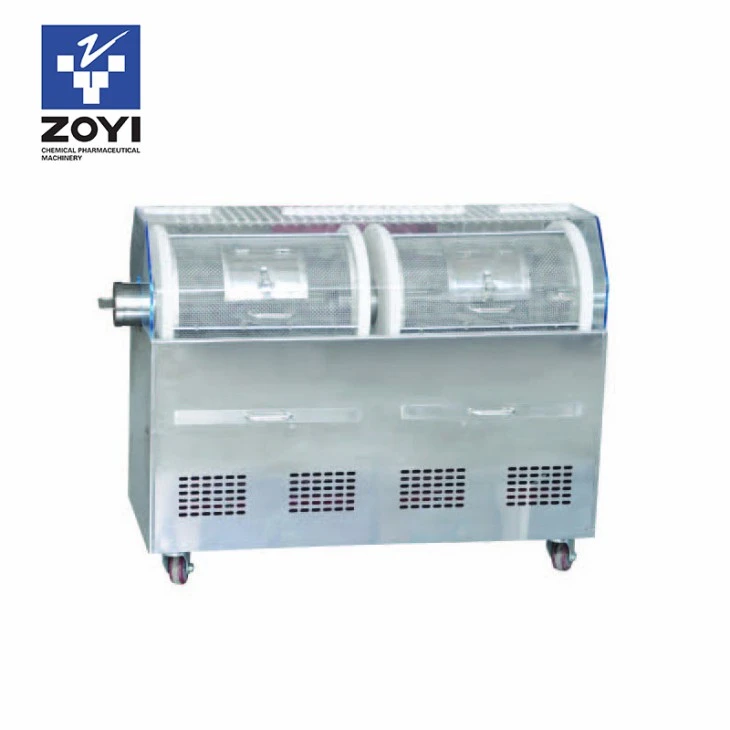
Hey there! I'm a supplier of Gelatin Colloid Mill. In today's blog, I'm gonna share some tips on how to improve the energy efficiency of a Gelatin Colloid Mill.
Understanding the Basics of a Gelatin Colloid Mill
First off, let's quickly go over what a Gelatin Colloid Mill is. It's a machine used to process gelatin and other substances, breaking them down into fine particles and achieving a homogeneous mixture. The Colloid Mill Grinder and Colloid Mill Machine are closely related, and they all play a crucial role in various industries, like food, pharmaceuticals, and cosmetics.
Regular Maintenance
One of the most important things for improving energy efficiency is regular maintenance. Just like a car needs regular tune - ups, a Gelatin Colloid Mill also requires proper care. Make sure to clean the mill regularly. Over time, residues can build up inside the mill, which can increase the resistance and make the machine work harder, thus consuming more energy.
Check the wear and tear of the grinding parts. If the grinding discs or other components are worn out, they won't work as efficiently. Replace them when necessary. A well - maintained mill will run more smoothly and use less energy.
Optimize the Operating Parameters
Another key aspect is to optimize the operating parameters. Adjust the speed of the mill according to the specific requirements of the gelatin processing. Running the mill at an unnecessarily high speed will waste energy. For example, if you're processing a relatively soft gelatin, you don't need to run the mill at its maximum speed.
Also, pay attention to the feed rate. If the feed rate is too high, the mill may struggle to process the material properly, leading to increased energy consumption. On the other hand, if the feed rate is too low, the mill may be under - utilized, which is also not energy - efficient. Find the right balance for your specific application.


Upgrade the Motor
The motor is the heart of the Gelatin Colloid Mill. If your mill has an old, inefficient motor, consider upgrading it. Newer motors are often designed to be more energy - efficient. They can convert electrical energy into mechanical energy more effectively, reducing the overall energy consumption of the mill.
When choosing a new motor, look for ones with high efficiency ratings. You can also consider variable - speed drives. These drives allow you to adjust the motor speed according to the actual needs of the mill, further optimizing energy use.
Use Energy - Saving Technologies
There are several energy - saving technologies available for Gelatin Colloid Mills. For example, some mills are equipped with heat recovery systems. These systems can capture the heat generated during the grinding process and reuse it for other purposes, such as pre - heating the gelatin or other materials.
Another technology is the use of advanced control systems. These systems can monitor the operation of the mill in real - time and adjust the parameters automatically to ensure optimal energy efficiency. For instance, they can detect if the mill is overloading and adjust the feed rate or speed accordingly.
Training the Operators
Well - trained operators can also contribute to energy efficiency. Make sure your operators understand how to operate the Gelatin Colloid Mill correctly. They should know how to set the right parameters, how to maintain the mill, and how to troubleshoot common problems.
Provide regular training sessions for your operators. Teach them about the importance of energy efficiency and how their actions can impact it. Encourage them to report any issues with the mill promptly so that they can be addressed before they lead to increased energy consumption.
Consider the Design of the Mill
The design of the Gelatin Colloid Mill can also affect its energy efficiency. Look for mills with a compact and well - engineered design. A well - designed mill will have less friction and better material flow, which means it will use less energy to operate.
Some mills are designed with special features, such as optimized grinding chambers and improved sealing. These features can reduce energy losses and improve the overall performance of the mill.
Monitor and Analyze Energy Consumption
It's essential to monitor and analyze the energy consumption of the Gelatin Colloid Mill regularly. Keep track of how much energy the mill is using over a period of time. You can use energy monitoring devices to collect this data.
Analyze the data to identify any trends or patterns. For example, if you notice that the energy consumption is increasing over time, it could be a sign of a problem, such as a worn - out component or incorrect operating parameters. By identifying these issues early, you can take corrective actions to improve energy efficiency.
Conclusion
Improving the energy efficiency of a Gelatin Colloid Mill is not only good for the environment but also for your bottom line. By following these tips, such as regular maintenance, optimizing operating parameters, upgrading the motor, using energy - saving technologies, training operators, considering the mill design, and monitoring energy consumption, you can significantly reduce the energy consumption of your mill.
If you're interested in learning more about Gelatin Colloid Mills or want to discuss how to improve the energy efficiency of your mill, feel free to reach out. We're here to help you make the most of your investment in a Gelatin Colloid Mill. Whether you're looking to upgrade your existing mill or purchase a new one, we can provide you with the best solutions tailored to your needs.