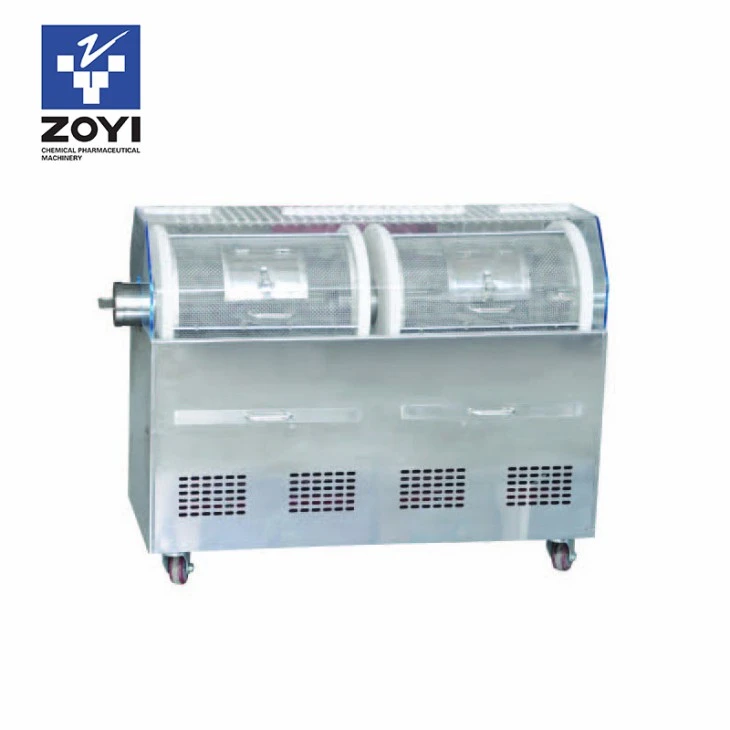
If you're running a soft gel capsule manufacturing operation-whether you're a small lab testing new formulas, a mid-sized facility pumping out dietary supplements, or a pharma plant producing prescription gels-you already know how critical your equipment's upkeep is. I'm the lead tech at a company that supplies soft capsule gear, and over the past 8 years, I've seen way too many teams skip proper machine cleaning, leading to sticky capsule batches, cross-contaminated products, and even costly downtime. Today, I'm breaking down the exact, science-backed steps to clean your soft gel capsule machine right, no fancy hacks-just what works.
First, let's get one thing straight: cleaning a soft gel capsule machine isn't the same as wiping down a coffee maker. Soft gels are made with a gelatin shell, often with glycerin for flexibility, and they're filled with everything from liquid vitamins to CBD oil. Residue from previous fills (like thick oils, wet gelatin, or even active ingredients) can harden, turn rancid, or mix with new formulas if you cut corners. That's why I always tell clients: clean your machine between every batch-even if it's just a 10k unit run. If you let residue sit for hours, you're asking for trouble.
Wait, do I need to use specific cleaning tools? Yeah, not just any rags. Let's start with prepping: before you even touch the machine, power it down and unplug it. No exceptions-safety first, always. Then, grab your supplies: food-grade (or pharma-grade, if you're making prescription gels) dish soap, distilled water, lint-free microfiber cloths, nylon brushes (bristles soft enough not to scratch metal parts, stiff enough to get into tight spots), isopropyl alcohol (70% is fine for light residue, 90% for tough gunk), and maybe a small plastic scraper for hardened stuff. Skip steel wool-you'll scratch components and leave metal shavings in your next batch.
Now, let's talk about parts you actually need to clean. Your soft gel machine has way more moving parts than I thought when I started. First, the die plates-those are the metal molds that shape the capsules. They get coated in gelatin and fill material every run. If you leave residue here, your next capsules will have weird dents or inconsistent sizes. Then there's the fill pump, which pushes the liquid into the shells; if that's clogged, you'll get under-filled or over-filled gels. The gelatin hopper and roller system, which forms the shell sheets, also trap old gelatin that can dry out and stick. Oh, and don't forget the trimming knives-they snip the excess gelatin off the finished capsules, so sticky residue here will cause the knives to jam.
Let's walk through the step-by-step process, using the fully automatic soft capsule making machine we supply most of (if you have a smaller lab scale one, we'll note tweaks for that too). First, the immediate post-batch wipe-down-do this while parts are still warm (not hot!) because gelatin dissolves easier when it's not fully set. Take the microfiber cloth dampened with warm, soapy water (distilled, not tap-tap has minerals that can leave spots) and wipe the die plates gently to lift loose gelatin. For the roller system, brush off any flaky gelatin with the nylon brush, then wipe down. Next, the fill pump: disconnect it (check your machine manual for how-every model's a little different) and flush it with warm soapy water, using a small syringe if needed to push water through the tubes to dislodge thick oil residue.
Once you've done the quick wipe, move to the deep clean, which you should do once a week (even if you run batches every day). This is where we get into the parts that get hidden residue. First, take apart all removable parts: die plates, rollers, fill pump, hopper, trimming knives. For the die plates, soak them in warm, soapy water for 10-15 minutes-don't leave them longer, or the metal can start to corrode. After soaking, use the soft nylon brush to scrub the crevices, then rinse thoroughly with distilled water to get all soap out (leftover soap will mess with gelatin adhesion for your next batch). For tough, hardened residue that won't come off, dab a little 90% isopropyl alcohol on a cloth and rub gently-no scrubbing hard, you'll scratch the plates.
What about the machine's interior parts you can't take apart? The gear box and the area around the fill nozzles. Turn the power on only to move the nozzles to a safe position, then use a cotton swab dipped in isopropyl alcohol to get into the tiny nozzle holes-they clog so easy, and a clogged nozzle means bad fills. For the gear box, don't spray water directly into it-use a slightly damp microfiber cloth to wipe the exterior, because water in the gears can cause rust and breakage.
Wait, if you have a lab scale soft gelatin capsule machine, do you need to do anything different? A little less heavy lifting, since smaller parts. The die plates are thinner, so soak them for only 5-10 minutes, max, because they can warp. The fill pump is smaller, so use a smaller syringe to flush it. And since lab batches are often new formulas, you might want to do a double rinse with distilled water to make sure no old formula is left-cross-contamination in a small lab run can ruin your whole batch of test gels, which is super frustrating.


Also, let's talk drying-this is a step most people skip, and it's a mistake. If you put parts away wet, you'll get water spots, mold, or even rust on metal parts. After rinsing every component, use a dry microfiber cloth to wipe them down completely, then let them air dry for 30 minutes on a clean tray (no paper towels-they leave lint). Once they're 100% dry, reassemble the machine and do a test run with just water or a blank gelatin sheet to make sure everything's moving right before you load your actual formula.
Now, a few pro tips from the tech side to avoid future cleaning headaches. First, keep a cleaning log-write down when you cleaned, what parts you did, and any issues you saw (like a slightly clogged nozzle) so you can catch small problems before they turn into big ones. Second, use the right lubricant for moving parts-we recommend food-grade silicone lubricant for your machine's gears, because regular oil will attract dust and residue. Third, if you run a sticky formula (like high-concentration CBD or fish oil), add a quick pre-clean step: spray a little food-grade propylene glycol on the die plates right after the batch, which keeps residue from sticking as hard.
Wait, let's address a common question we get: can I use vinegar to clean? Maybe for light residue, but only if it's diluted super well-like 1 part white vinegar to 10 parts water. Vinegar is acidic, and if it's too strong, it can break down gelatin over time and corrode metal parts. We've had clients try this, and they ended up with die plates that pitted, so I stick to the warm, soapy water + isopropyl alcohol combo.
Also, if you're looking for a new machine (hey, we supply a range!) that's easier to clean, let's chat. We have different models depending on your needs: if you're a pharma plant running high volumes, check out our soft gelatin encapsulation making machine, which has tool-less disassembly for all key parts, so you don't have to fumble with screws every clean. For small labs, our laboratory scale soft gelatin capsule machine is designed with all parts accessible with minimal tools, so cleaning takes half the time of old models. We also have the fully automatic soft capsule making machine, which has a self-cleaning function for the fill system-game-changer for large operations that don't have time for deep cleans every day.
Wait, I should mention: if you're ever in doubt about your specific machine model, check the manufacturer's manual (if it's not ours, just reach out to the company you bought it from) or drop us a line-we have a free troubleshooting and cleaning guide for all our gear. No pressure, just trying to keep your runs smooth.
One thing I hate seeing is clients ruin a whole batch because they skipped a clean. Last year, a supplement company brought us a batch of 50k vitamin gels that were sticky and had inconsistent sizes-turns out they didn't clean the die plates after a run of omega-3, so the thick oil mixed with the new vitamin formula. They had to throw the whole batch out, which cost them thousands. That's why taking 30 minutes to clean your machine between batches isn't a chore-it's saving you money.
Let's recap quick to make sure you don't forget anything:
- Unplug and power down the machine before starting.
- Do a quick post-batch wipe while parts are warm.
- Deep clean removable parts weekly (soak, scrub, rinse).
- Dry everything completely to avoid rust and mold.
- Reassemble and test with blank material before your next batch.
Oh, and a last minute thing: if you get a new soft gel machine, don't wait for the first clean-run a blank batch with just gelatin and water to flush out any factory residue, even if it's a new machine. Those tiny metal shavings from manufacturing? Not what you want in your capsules.
If you're in the market for a new soft capsule machine, or you have questions about cleaning your current one, feel free to reach out to our team to talk through your needs. Whether you need a compact lab model or a high-volume production line, we've got options that are easy to clean and built to last.